
The $1.2 Million Arm That Never Quite Found the Strike Zone: Todd Van Poppel
Todd Van Poppel was the crown jewel of the 1990 draft, a high school phenom with a fastball that reportedly made scouts weak in the knees. The Oakland Athletics were so enamored that they bypassed more established talent to hand him a record-breaking contract. Unfortunately, the transition to the pros was rocky. While he possessed raw power, he allegedly struggled with the mental pressure of his "savior" status and never developed the consistency needed to lead a rotation.
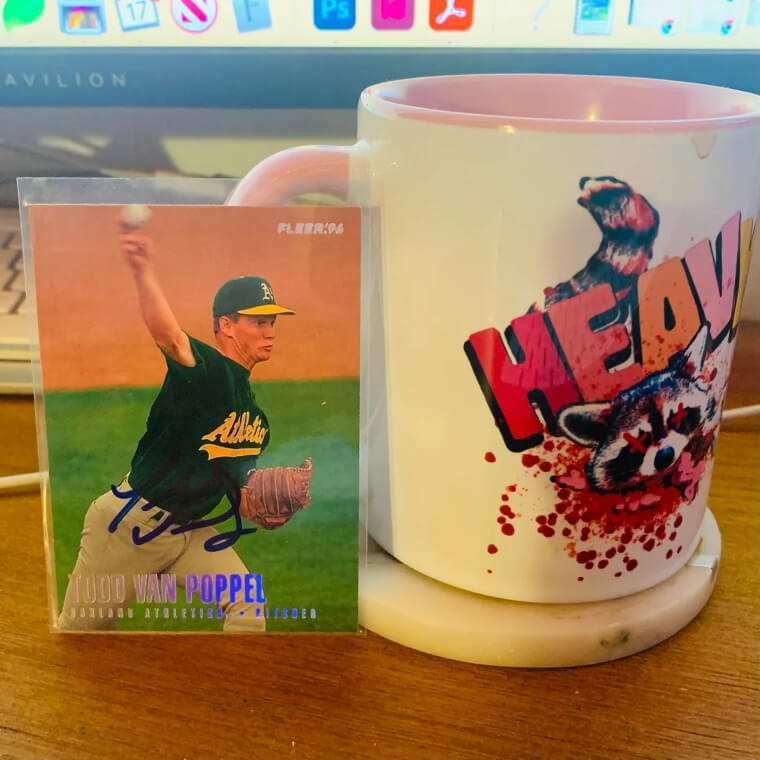
He eventually carved out a journeyman career, but he never became the dominant ace everyone in the early nineties predicted.
The High School Sensation Rushed Into the Spotlight Too Soon: David Clyde
In 1973, the Texas Rangers were desperate for fans and a star, so they drafted David Clyde and put him on a major league mound just eighteen days after his high school graduation. It was a move that reportedly sold tickets but allegedly destroyed a promising career. The young lefty had incredible talent, but the lack of minor league seasoning meant he never learned to navigate professional hitters or manage the physical toll on his arm.
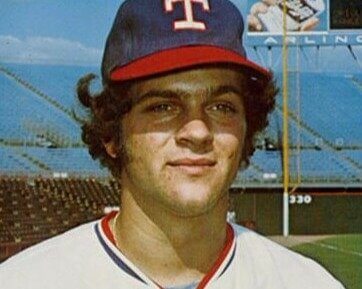
His story remains a cautionary tale about why even the most gifted teenagers need time to grow before facing the big boys.
The Generational Talent Who Lost His Prime Years to Personal Demons: Josh Hamilton
Josh Hamilton was arguably the most gifted prospect of his era, a five-tool player who seemed destined for Cooperstown. After being drafted first overall in 1999, his journey took a dark turn due to off-field struggles that led to multiple suspensions. While he eventually made a miraculous comeback and won an MVP award, fans often wonder what his career statistics would look like if he hadn't missed nearly four years of his physical prime.
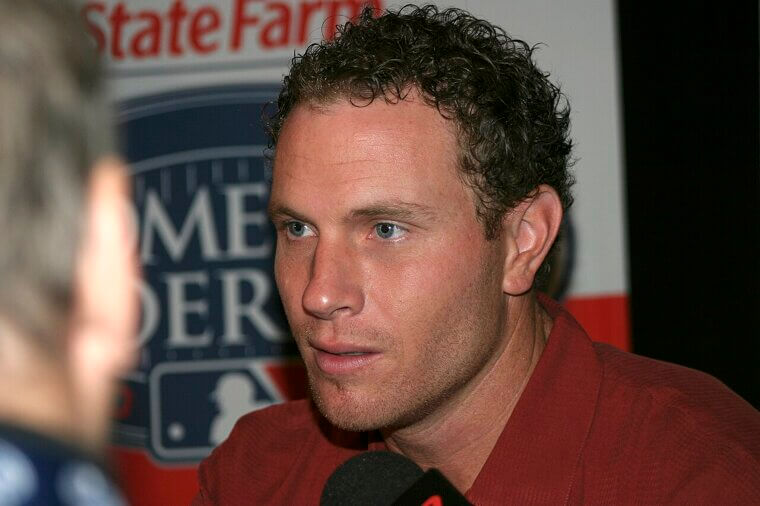
He wasn't a "bust" in terms of talent, but the loss of those early years remains one of baseball's greatest disappointments.
The $1.5 Million Southpaw Whose Career Ended in a Fistfight: Brien Taylor
Brien Taylor is often cited as the greatest pitcher to never reach the Major Leagues. The New York Yankees made him the top pick in 1991, and he reportedly possessed a 100-mph fastball that left hitters dazed. His trajectory was perfect until a fateful night in 1993 when he was involved in a physical altercation while defending a family member. He allegedly suffered a severe shoulder injury during the scuffle that sapped his velocity and command.
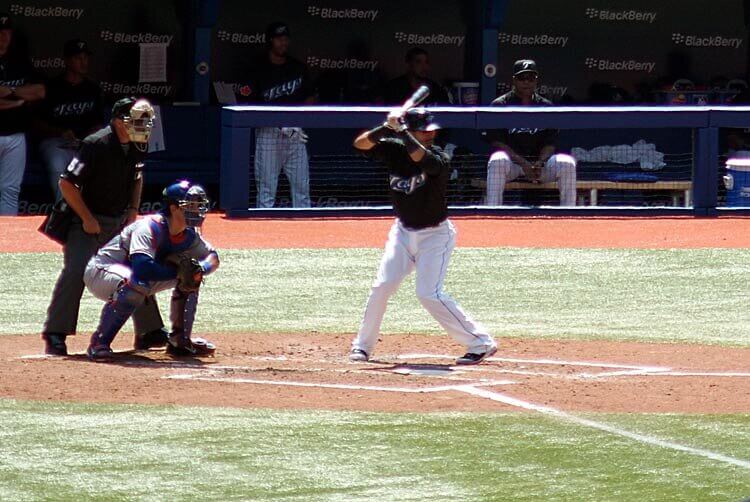
Despite years of rehab, the "magic" in his left arm was gone, and he retired without ever throwing a single MLB pitch.
The Number One Pick Who Walked Away to Find Himself: Mark Appel
Mark Appel was a polished college ace from Stanford, considered the safest bet in the 2013 draft. Taken first overall by the Houston Astros, he seemed like a lock for the rotation. However, he struggled immensely in the minor leagues, with his ERA reportedly ballooning as he battled both physical ailments and a crisis of confidence. In a move that shocked the sports world, he stepped away from the game in 2018 to focus on his mental health and life outside of baseball.
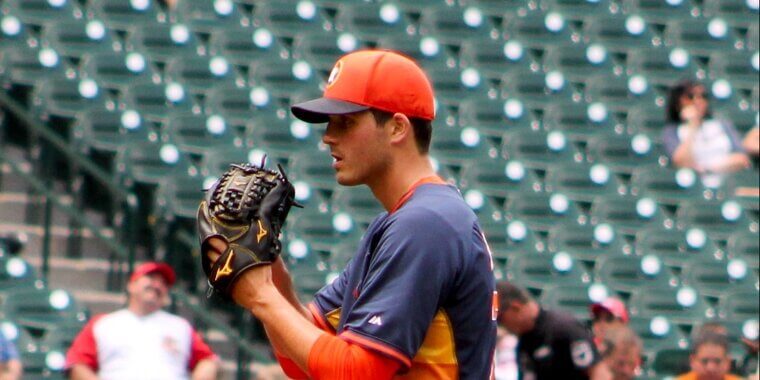
Though he eventually made a brief MLB appearance in 2022, his "bust" label stems from the massive expectations he initially carried.
The Shortstop Whose Legal Woes Eclipsed His Electric Arm: Matt Bush
Selected first overall by the San Diego Padres in 2004, Matt Bush was a local kid with elite defensive skills and a rocket arm. Unfortunately, his early career was defined more by headlines in the police blotter than highlights on the field. Multiple alcohol-related incidents and legal troubles reportedly led to his exit from the Padres organization before he could even reach the majors. He eventually reinvented himself as a hard-throwing relief pitcher.
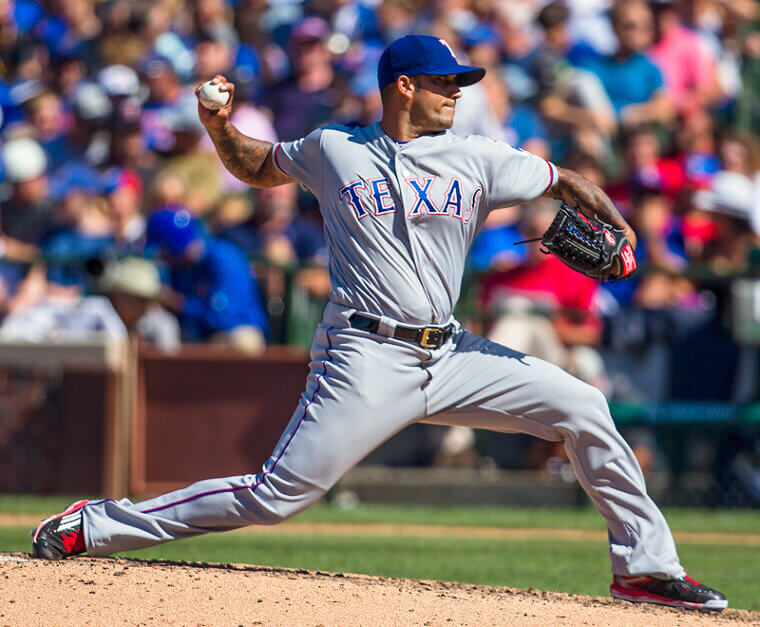
And he made it to the big leagues years later, but his failure to become the franchise shortstop he was drafted to be remains a significant disappointment.
The "can't-Miss" Cover Boy Who Found His Calling in the Dugout: Clint Hurdle
In 1978, Sports Illustrated featured a young Clint Hurdle on its cover with the headline "This Year's Phenom." He was the ninth overall pick for the Kansas City Royals and was expected to be the next George Brett. However, the pressure of that "can't-miss" tag reportedly weighed heavily on him. He struggled to hit for the power scouts expected and was allegedly hampered by a series of nagging injuries. While he had a respectable playing career, he never reached superstar status.
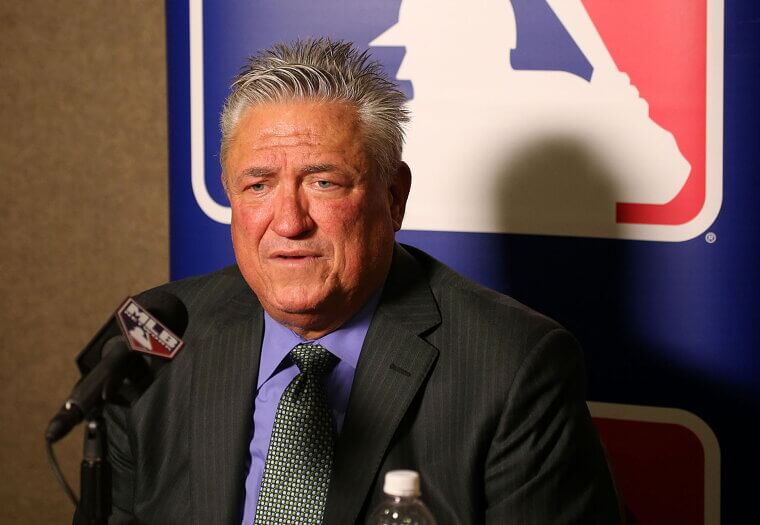
Ironically, he became much more famous as a successful major league manager, proving that some busts just need a different perspective.
The "Big Ben" Who Couldn't Stay Healthy Enough to Dominate: Ben McDonald
Ben McDonald was a mountain of a man out of LSU, standing 6'7" with a pedigree that made the Baltimore Orioles take him first overall in 1989. He was fast-tracked to the majors and showed flashes of brilliance, but his body reportedly couldn't handle the workload. Shoulder and elbow issues allegedly plagued him throughout his twenties, preventing him from ever putting together the Cy Young-caliber seasons everyone expected.
He finished with a winning record and a solid career, but for a man billed as the next Nolan Ryan, he is often remembered for what might have been.
The College Hitting Machine Who Lost His Stroke in Seattle: Dustin Ackley
When the Seattle Mariners took Dustin Ackley second overall in 2009, they thought they were getting the most "pro-ready" hitter in the draft. At the University of North Carolina, he was a hitting wizard who rarely struck out. However, once he reached the big leagues, he reportedly struggled to adapt to major league pitching and defensive shifts. Some scouts allegedly believe that frequent position changes—from the outfield to second base—interfered with his offensive development.
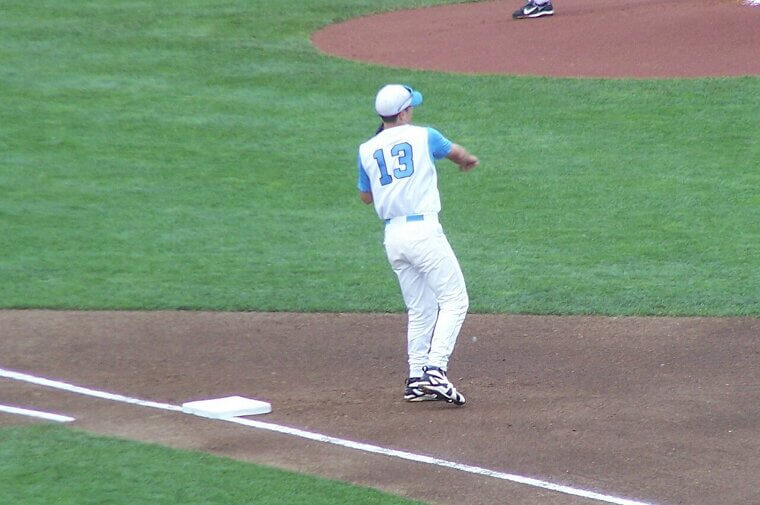
He never became the perennial All-Star the Mariners envisioned, eventually fading into a bench role before leaving the league.
The Third Piece of a "Big Three" That Never Materialized: Danny Hultzen
The Seattle Mariners thought they had built a dynasty when they drafted Danny Hultzen second overall in 2011 to join fellow prospects Taijuan Walker and James Paxton. Hultzen was a polished lefty with incredible command, but his shoulder reportedly betrayed him almost immediately. He underwent multiple major surgeries that kept him off the mound for years. It was a heartbreaking journey for a player who allegedly had the work ethic and IQ to be a star.
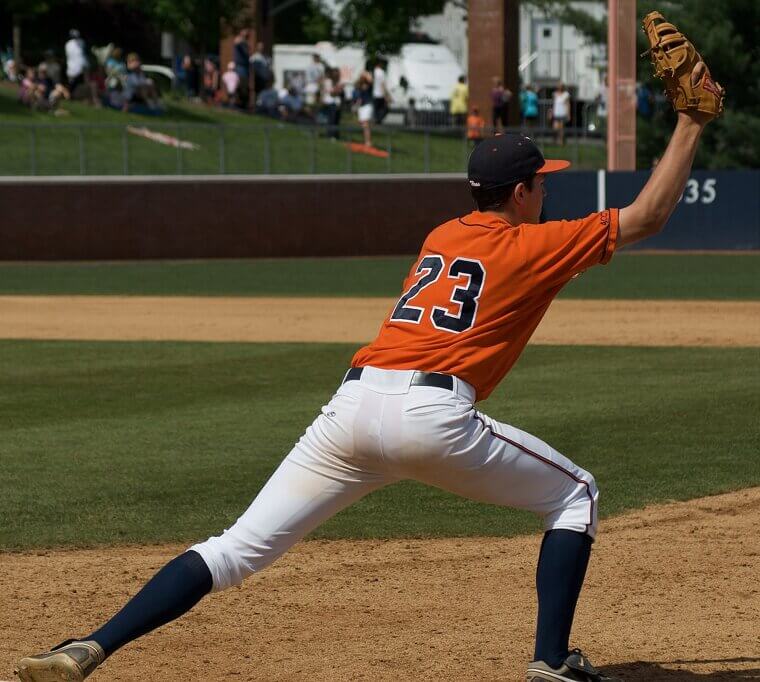
He eventually made a brief, emotional debut with the Cubs in 2019, but his status as a high-draft-pick bust was already cemented.
The Hometown Hero Who Couldn't Solve Professional Breaking Balls: Bubba Starling
Bubba Starling was a multi-sport legend in Kansas City, turning down a chance to play quarterback at Nebraska to sign a massive deal with his hometown Royals in 2011. He had all the physical tools—speed, power, and a golden glove—but he reportedly struggled to recognize professional-level off-speed pitches. His journey through the minors was a long, slow grind that allegedly tested his confidence. While he eventually reached the majors and provided elite defense, his bat never caught up.
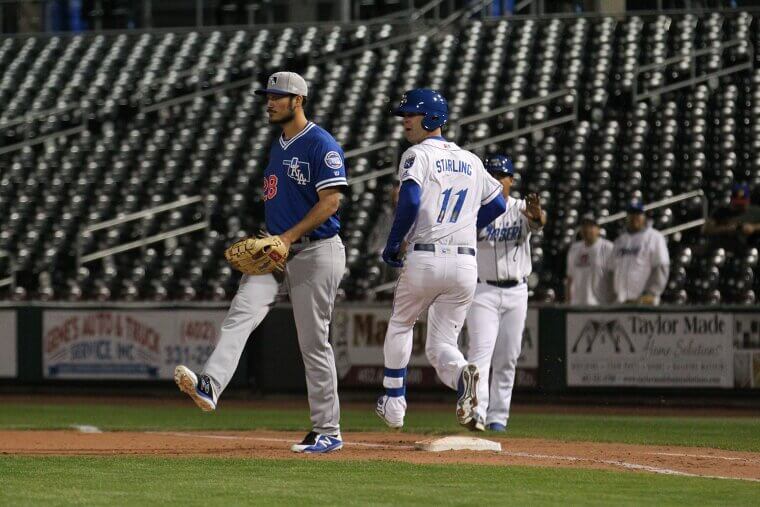
For the fifth overall pick, the lack of offensive production made him one of the franchise's most noted disappointments.
The $6.7 Million Athlete Who Was Tackled by Injuries: Donavan Tate
Donavan Tate was a world-class athlete, the son of an NFL player, and the third overall pick for the San Diego Padres in 2009. He was a human highlight reel in high school, but his professional baseball career was reportedly a nightmare of physical setbacks. From a broken jaw to a sports hernia and Achilles issues, his body allegedly couldn't stay on the field long enough for him to develop. He also reportedly dealt with substance abuse issues early on.
He never made it past Class A, eventually leaving baseball to try his hand at college football in his late twenties.
The Power Hitter Who Was Passed Over for a Future Legend: Billy Rowell
The Baltimore Orioles selected Billy Rowell ninth overall in 2006, hoping his high school power would translate to Camden Yards. He was a big, physical third baseman, but he reportedly lacked the footwork for the position and the plate discipline to succeed as a pro. To make matters worse for Orioles fans, the next pick in the draft was Tim Lincecum, who went on to win two Cy Young awards.
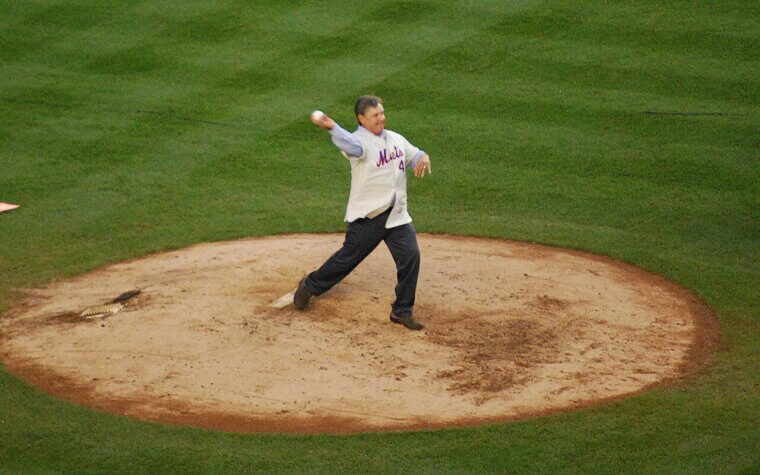
Rowell's career allegedly stalled in the mid-minors, and even a late-career attempt to convert him into a pitcher failed to save his professional prospects.
The Draft Prize Who Couldn't Find His Footing in Tampa: Dewon Brazelton
In 2001, the Tampa Bay Rays were a struggling expansion team that desperately needed an anchor for their staff. They selected Dewon Brazelton third overall, but he reportedly struggled with the jump to the big leagues. His ERA in the majors was consistently high, and he allegedly struggled with his command and confidence against elite hitters. While he had the physical stature of an ace, his results on the mound were often disappointing.
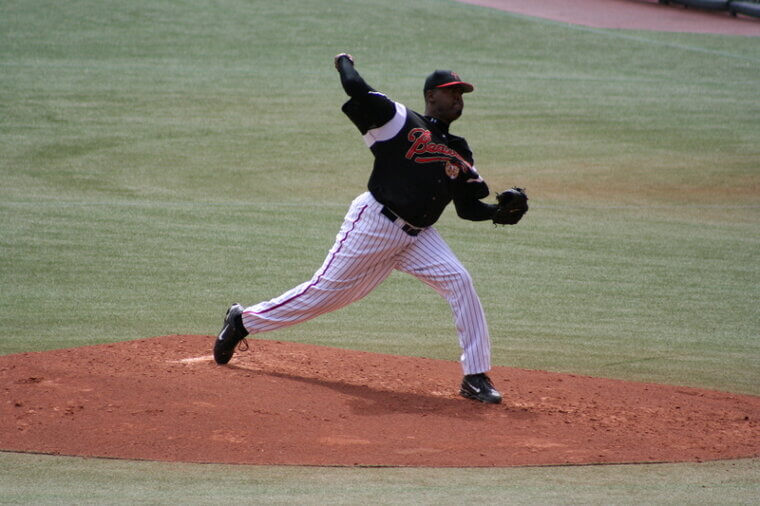
He was eventually traded and bounced around the league, but he never lived up to the high-draft-pick hype that surrounded his debut.
The "safe" Pick That Didn't Pay off for the Pirates: Bryan Bullington
The Pittsburgh Pirates made Bryan Bullington the first overall pick in 2002, reportedly choosing him over more high-upside players like B.J. Upton because he was seen as a "safe" bet to reach the majors quickly. While he did reach the big leagues, he allegedly lacked the "out pitch" necessary to dominate at that level. His career was also derailed by a major shoulder surgery early on.
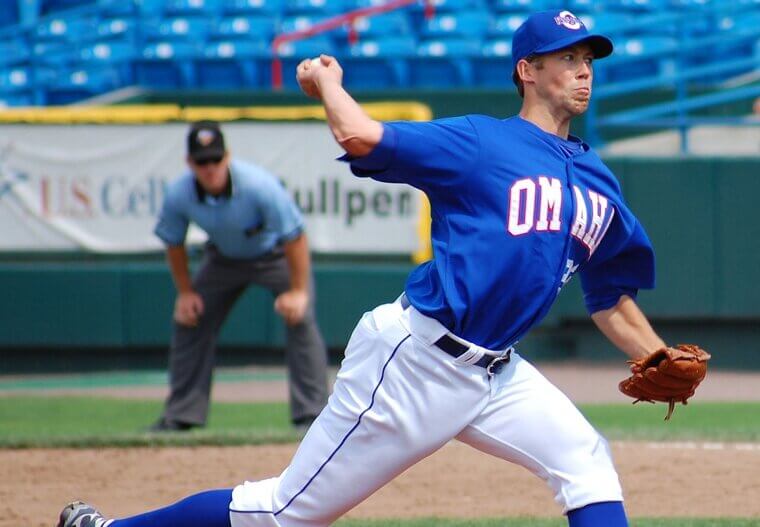
Instead of being the cornerstone of a rebuild, he became a journeyman who spent much of his career in the minor leagues and Japan, leaving Pirates fans wondering what might have been.
The "Generation K" Star Who Battled More Than Just Hitters: Bill Pulsipher
Bill Pulsipher was one-third of the New York Mets' famous "Generation K" in the mid-nineties, along with Paul Wilson and Jason Isringhausen. He was a fiery lefty with a big arm, but he reportedly threw too many innings too early, leading to serious elbow injuries. Beyond the physical toll, Pulsipher was one of the first major athletes to speak openly about his battles with clinical depression and anxiety.
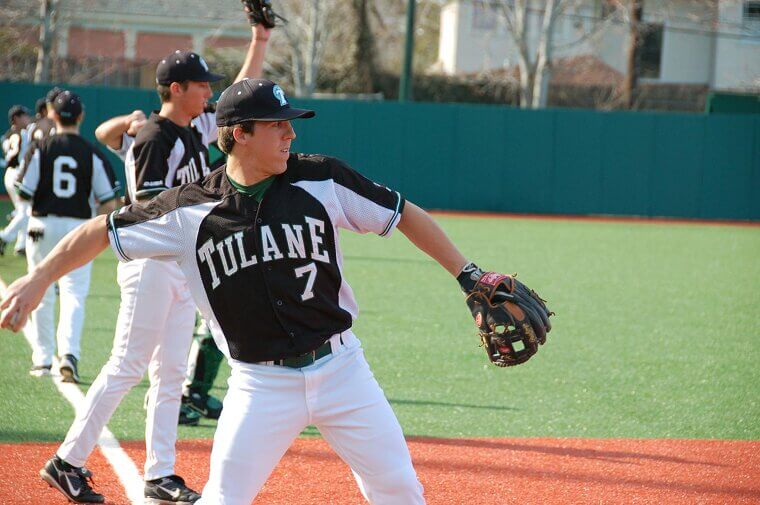
These factors allegedly made it difficult for him to maintain the consistency required of a top-tier starter. Though he played for several years, he never became the superstar the Mets expected.
The Top Pick Whose Arm Couldn't Handle the Hype: Paul Wilson
As another member of the Mets' "Generation K," Paul Wilson was the first overall pick in 1994. He had a textbook delivery and a blazing fastball, but his career was reportedly ruined by a heavy workload in the minor leagues. He allegedly suffered from chronic shoulder and elbow problems that required multiple surgeries. By the time he found some stability later in his career with the Reds, he was a completely different pitcher than the fire-breather the Mets had drafted.
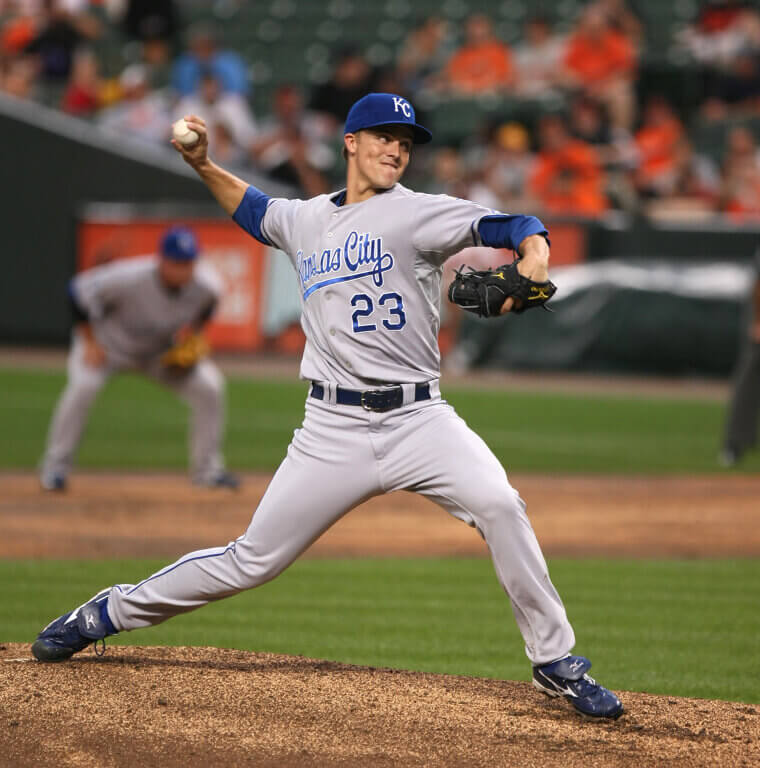
He is often remembered as a symbol of the dangers of overworking young pitching prospects.
The "next Big Thing" Who Was Traded Away for a Legend: Ruben Rivera
Ruben Rivera was once considered the top prospect in all of baseball, even ranked ahead of his cousin, Mariano Rivera. The Yankees reportedly believed he was a future MVP with unlimited power and speed. However, his work ethic and mental approach were allegedly questioned by team staff. He was eventually traded to the Padres in a deal for Hideki Irabu. His career is perhaps most famous for an incident off the field.
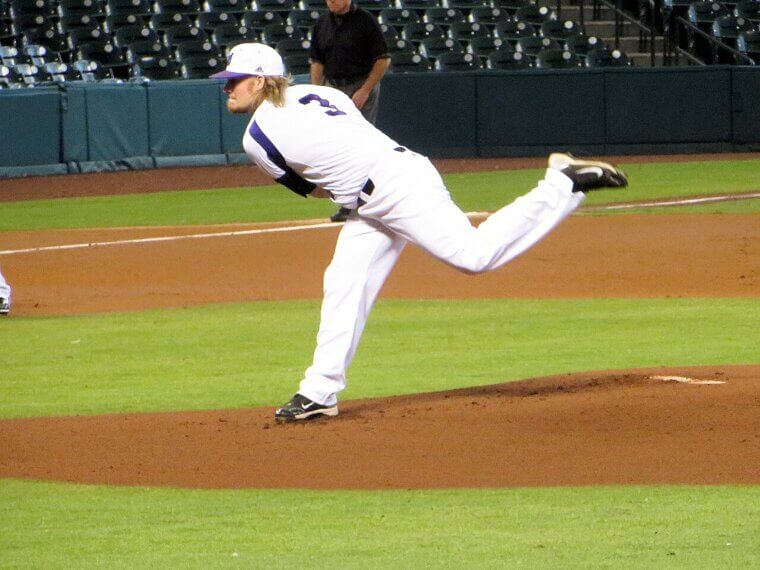
He reportedly stole a teammate's glove and bat to sell, leading to his release. He never put his massive tools together to become a consistent major league star.
The Flash Who Lacked the Finish in New York: Lastings Milledge
Lastings Milledge was a high-profile prospect for the Mets, known for his incredible speed and loud personality. He made headlines early by high-fiving fans after his first home run, a move that reportedly rankled some old-school teammates. While he had flashes of brilliant play, he allegedly struggled with maturity issues and a lack of plate discipline. He was traded several times as teams tried to unlock his potential.
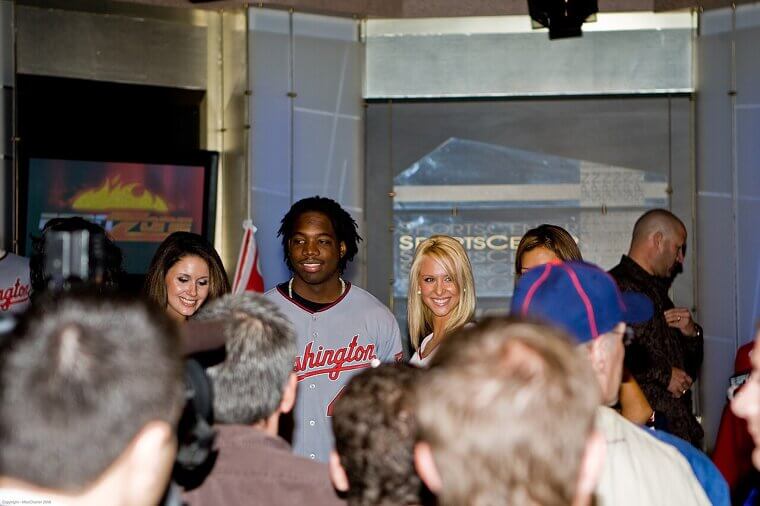
But he never became more than a league-average outfielder. He eventually found success playing in Japan, far away from the intense spotlight of the New York media.
The Top Prospect With a Temper That Hindered His Talent: Delmon Young
Delmon Young was the first overall pick in 2003 and the younger brother of All-Star Dmitri Young. He was a hitting prodigy, but his career was reportedly overshadowed by behavioral issues. In the minor leagues, he was famously suspended for throwing a bat at an umpire. While he had a long career and some big postseason moments, he allegedly never developed the defensive skills or the plate discipline to match his elite raw talent.
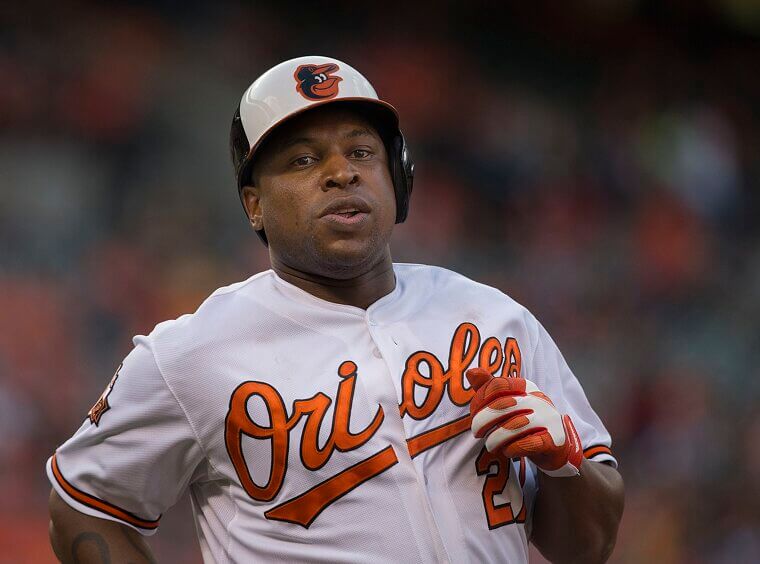
His career was also marred by several off-field legal incidents that reportedly made teams hesitant to commit to him long-term.
The Minor League Home Run King Who Couldn't Hit in the Bigs: Brandon Wood
Brandon Wood was a sensation in the Angels' system, once hitting 43 home runs in a single minor league season. Scouts reportedly thought he was a lock to be a perennial 30-home run hitter in the majors. However, once he reached Anaheim, his swing reportedly developed massive holes that big-league pitchers easily exploited. He allegedly struggled with the mental pressure of his high ranking, leading to a cycle of strikeouts and lost confidence.
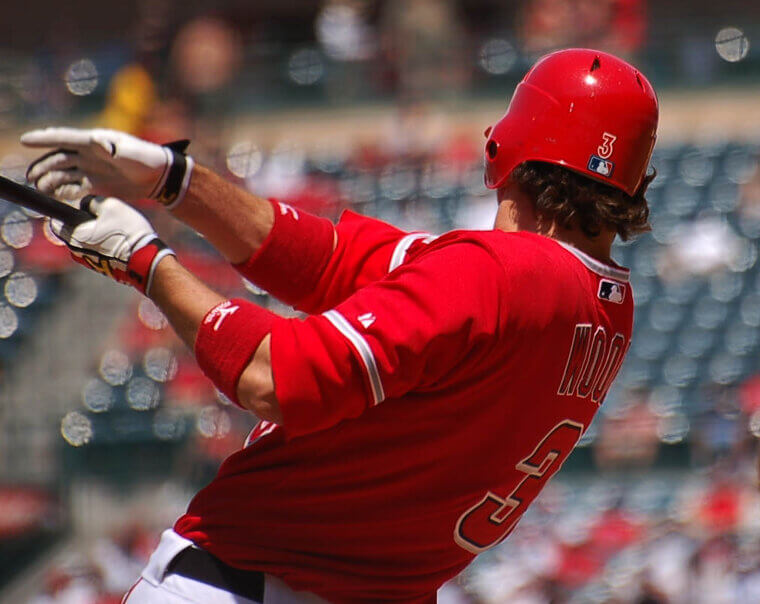
Despite numerous chances, he could never replicate his minor league success, finishing his career with a batting average well below the "Mendoza Line."
The "can't-Miss" Catcher Who Arrived Out of Shape: Jesus Montero
Jesus Montero was the crown jewel of the Yankees' farm system, a hitting savant who was traded to the Mariners in a blockbuster deal for Michael Pineda. The Mariners expected him to be their franchise cornerstone, but he reportedly showed up to spring training significantly overweight and out of condition. His lack of agility allegedly forced him out of the catcher position, and his hitting never recovered from the move to the pitcher-friendly confines of Seattle.
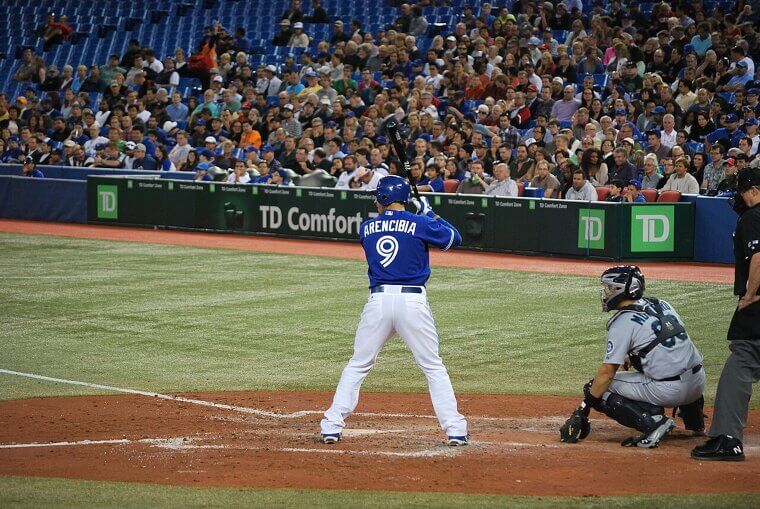
A bizarre incident involving a scout and an ice cream sandwich reportedly served as the final straw for his tenure with the team.
The One-Month Wonder Who Faded Into Obscurity: Domonic Brown
Domonic Brown was once the top-ranked prospect in baseball, and for one glorious month in 2013, he looked like a superstar for the Phillies, hitting 12 home runs in May. However, that month turned out to be an anomaly rather than a breakout. He reportedly struggled to hit breaking balls and was allegedly a liability in the outfield. Injuries also played a role, but scouts reportedly believe he simply couldn't adjust once pitchers found his weaknesses.
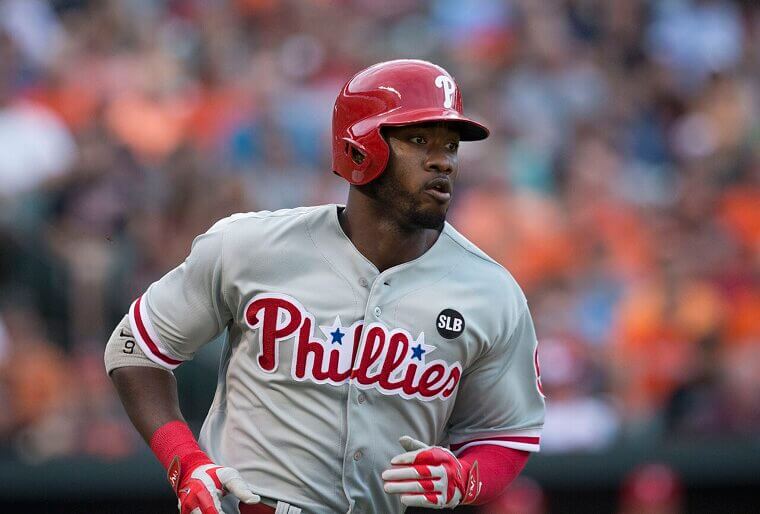
He disappeared from the major league scene shortly after his lone All-Star appearance, becoming one of the most puzzling busts in recent history.
The Centerpiece of a Trade That Went South for Miami: Lewis Brinson
When the Marlins traded Christian Yelich to the Brewers, Lewis Brinson was the elite prospect they received in return. He had "superstar" written all over him—tall, fast, and powerful. However, his time in Miami was reportedly a struggle from day one. He allegedly had a difficult time making contact with major league sliders, leading to one of the highest strikeout rates in the league. He remained a plus defender.
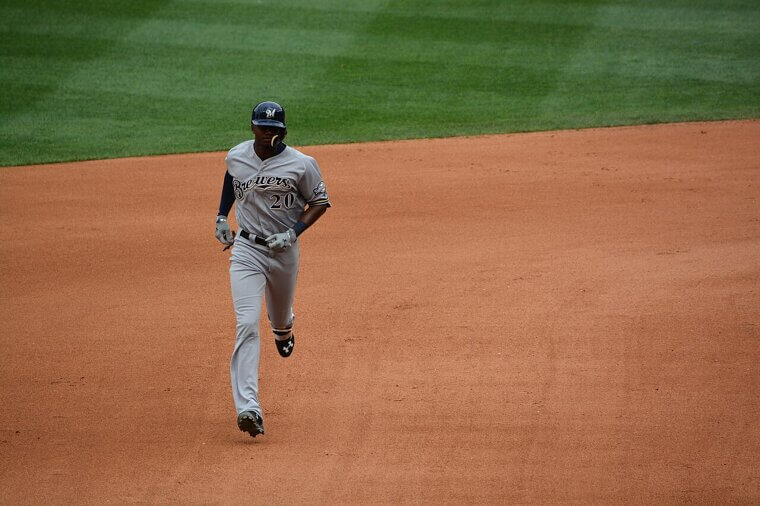
But his offensive struggles reportedly sapped his confidence. Watching Yelich win an MVP in Milwaukee only made Brinson's "bust" status more painful for Marlins fans.
The High School Catcher Who Couldn't Find His Bat: Alex Jackson
Alex Jackson was the sixth overall pick in 2014, a high schooler with massive power potential. The Mariners originally drafted him as an outfielder to speed up his path to the majors, but his hitting reportedly stalled in the lower minors. He was eventually traded to the Braves and converted back to catcher, a move that allegedly helped his defensive value but didn't fix his offensive woes.
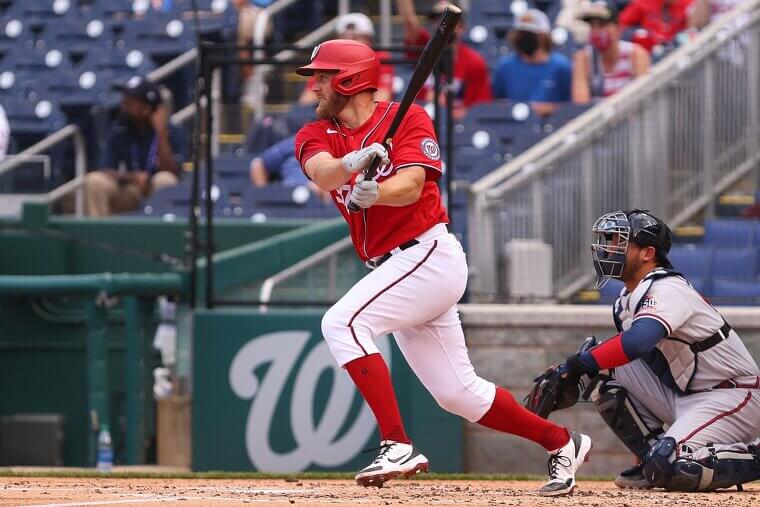
He has spent years bouncing between the majors and Triple-A, but his high-draft-pick pedigree suggests he was meant for much more than a backup role.
The $10 Million Gamble That Didn't Pay off for Houston: Jon Singleton
Jon Singleton was such a highly-regarded prospect that the Houston Astros gave him a $10 million contract before he even reached the major leagues. It was a historic move intended to lock up a future star. However, Singleton reportedly struggled with the pressure and off-field issues, including a self-admitted addiction to marijuana. His play on the field allegedly suffered as a result, and he spent years away from the game after being released.
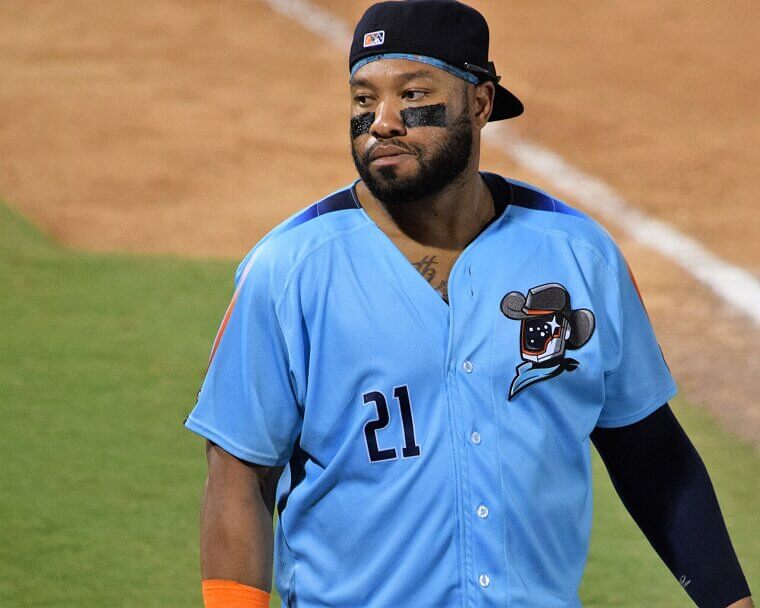
While he made a heartwarming return to the majors recently, his initial run as a top prospect is still viewed as a major disappointment.
The Versatile Athlete Who Was a Man Without a Position: Blake Swihart
Blake Swihart was a top catching prospect for the Red Sox, known for his athleticism and switch-hitting ability. However, the team reportedly couldn't decide where to play him, moving him between catcher, first base, and the outfield. This lack of a permanent home allegedly hindered his development, and a serious ankle injury suffered while playing out of position in the outfield reportedly robbed him of his elite mobility.
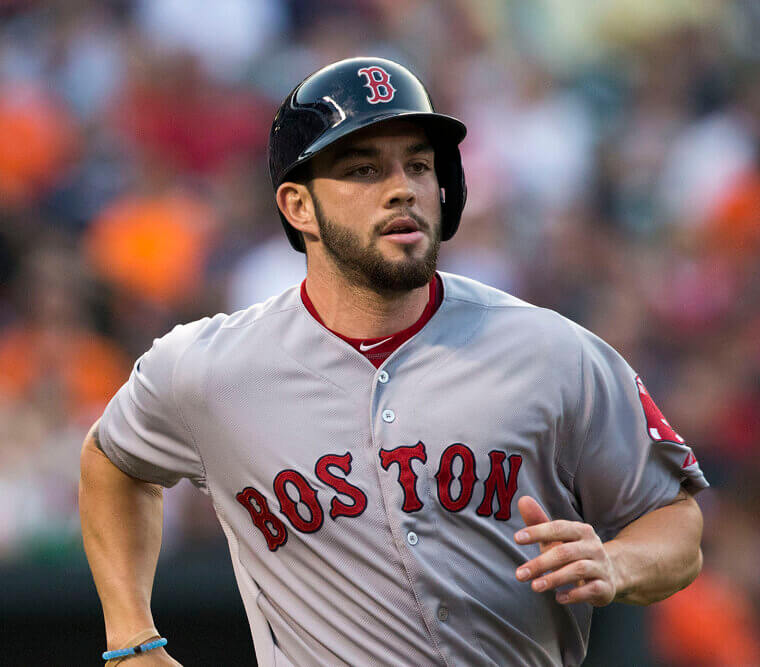
He was eventually traded and struggled to find consistent playing time, never becoming the offensive force the Red Sox scouting department had predicted.
The "perfect" Prospect Derailed by a Shoulder Injury: Jurickson Profar
At one point, Jurickson Profar was the undisputed number one prospect in baseball. He was a teenage shortstop who seemed to do everything right. However, a mysterious and persistent shoulder injury reportedly cost him two full years of his development during his early twenties. By the time he returned, he had allegedly lost some of his range and arm strength. He has managed to have a decent career as a utility player.
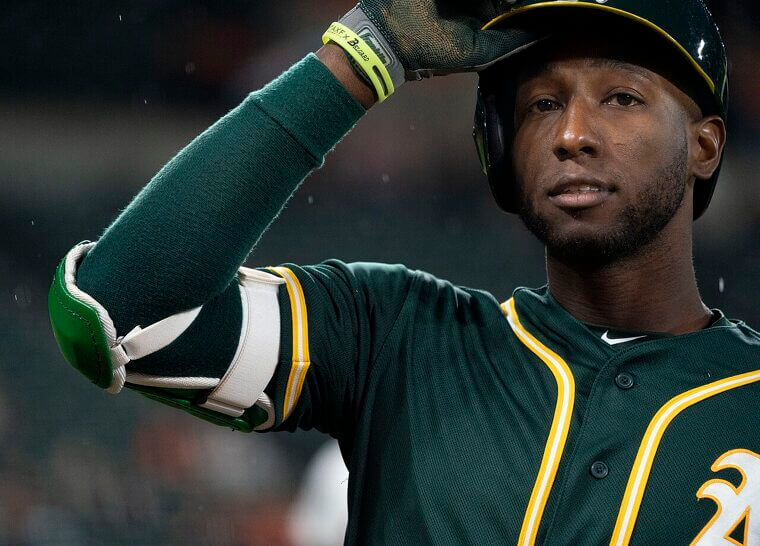
But he never reached the dizzying heights of his "future superstar" label, serving as a reminder of how fragile a prospect's path can be.
The First Overall Pick Who Couldn't Hit His Way Out of the Minors: Shawn Abner
Shawn Abner was the top pick in 1984 for the New York Mets, a high school outfielder with supposedly limitless potential. However, he reportedly struggled to hit for average or power once he reached the professional ranks. He was eventually traded to the Padres as part of a deal for Kevin McReynolds. While he did spend several years in the big leagues, his career stats were reportedly underwhelming.
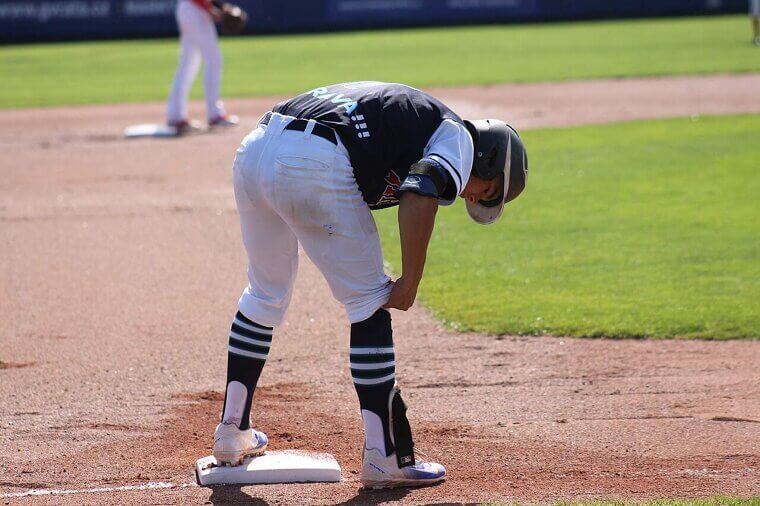
Especially for a man of his draft status. He is often cited as one of the biggest "what-ifs" of the eighties Mets' era.
The Pitcher Whose Name Became Synonymous With Scandal: Greg Anderson
Greg Anderson was a talented pitcher in the Giants' system, but his career is reportedly remembered more for his association with the BALCO scandal than his performance on the mound. While he was never a top-tier superstar, his involvement as a personal trainer to high-profile athletes allegedly derailed any chance he had at a legitimate career. The legal troubles and media scrutiny reportedly made him "radioactive" in baseball circles.
He serves as a different kind of "bust"—one where off-field associations can end a career before it truly begins.
The Legacy Pick Who Couldn't Make the Transition: Billy Cannon Jr.
The son of a Heisman Trophy winner, Billy Cannon Jr. was a first-round pick for the Texas Rangers in 1980. He was a phenomenal athlete, but he reportedly struggled to adapt to the daily grind of professional baseball. He allegedly found it difficult to hit professional pitching and was eventually traded to the Cardinals. He retired after just a few seasons in the minors, deciding to pursue other interests.
His story is often used to highlight that even the best athletic genes don't always translate to success on the diamond.
The Catcher Who Was Picked Over Reggie Jackson: Steve Chilcott
In 1966, the New York Mets had the first overall pick and chose high school catcher Steve Chilcott. The second pick was a guy named Reggie Jackson. Chilcott was reportedly a talented prospect, but a series of devastating injuries, including a shattered shoulder, allegedly prevented him from ever reaching the major leagues. He remains one of only a few number-one picks to never play a game in the bigs.
Meanwhile, Reggie Jackson went on to become "Mr. October," making this choice one of the most infamous in baseball draft history.
The Five-Tool Star Who Was Born in the Wrong Era: Clint Thomas
While not a "bust" in the traditional sense, Clint Thomas was a superstar in the Negro Leagues who many scouts reportedly believed would have been a Hall of Famer in the majors. He was known as "Hawk" for his incredible defense and possessed elite power and speed. However, because he played before the color barrier was broken, he never got his chance on the biggest stage.
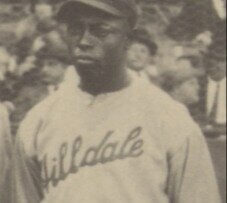
His inclusion on "bust" lists is often a commentary on the "bust" of the system itself, which denied legendary talents the opportunity to prove their worth.
The "Little Unit" Who Never Stood Tall in the Majors: Ryan Anderson
Standing 6'10", lefty Ryan Anderson was naturally compared to Randy Johnson. The Mariners drafted him in the first round in 1997, and he reportedly had a fastball that touched 100 mph. However, his career was allegedly plagued by severe shoulder injuries that required multiple surgeries. He never managed to throw a single pitch in a major league game. His story is a tragic example of how a massive frame and elite velocity can have its cons.
It can sometimes be too much for the human shoulder to handle, leaving fans with only "tall tales" of what could have been.
The Five-Tool Outfielder Who Couldn't Find the Strike Zone: Corey Patterson
Corey Patterson was the third overall pick for the Cubs in 1998 and was hailed as the next Willie Mays. He had blazing speed and incredible raw power, but his plate discipline was reportedly non-existent. He allegedly refused to adjust his aggressive approach, leading to high strikeout totals and a low on-base percentage. While he had a long career and some productive seasons, he never became the cornerstone superstar the Cubs expected.
His career is often viewed as a "bust" relative to the astronomical expectations placed on him as a teenager.
The Centerpiece of "The Doc Deal" Who Never Found His Rhythm: Kyle Drabek
Kyle Drabek arrived in Toronto with the weight of the world on his shoulders, serving as the primary return in the blockbuster trade that sent legendary ace Roy Halladay to Philadelphia. As the son of former Cy Young winner Doug Drabek, he reportedly possessed a devastating curveball and a pedigree that suggested greatness. However, he allegedly struggled to harness his command at the major league level, often falling behind in counts and losing his composure.
After undergoing a second Tommy John surgery, his electric stuff reportedly lost its bite, and he was never able to fulfill the promise of a top-of-the-rotation starter.
The Rookie of the Year Whose Knees Betrayed His Meteoric Rise: Kyle Lewis
Kyle Lewis was a sensation for the Seattle Mariners, winning the 2020 American League Rookie of the Year award with a display of power and grace in centerfield. He looked like the face of the franchise, but a history of devastating knee injuries reportedly robbed him of his elite athleticism. A collision at home plate early in his career allegedly set off a chain reaction of surgeries and setbacks.
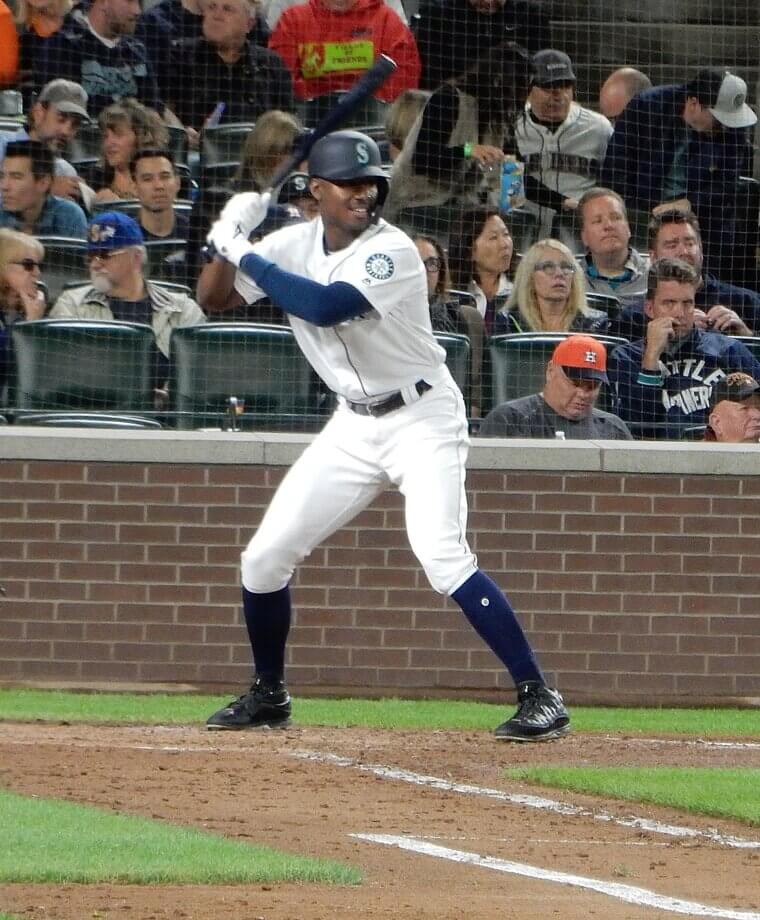
While his bat remained potent in flashes, he reportedly lost the lateral movement needed to play the field, turning a potential Hall of Fame trajectory into a heartbreaking "what-if" story.
The Two-Way Legend Who Arrived Decades Before Ohtani: Brooks Kieschnick
Long before Shohei Ohtani became a global icon, Brooks Kieschnick was the greatest two-way player in college history, winning the Dick Howser Trophy twice at Texas. The Chicago Cubs drafted him tenth overall in 1993, but they reportedly struggled with how to utilize his unique skill set. He was allegedly forced to choose between pitching and hitting, which some experts believe stunted his overall development.
By the time he successfully reinvented himself as a relief-pitching pinch-hitter for the Brewers, his prime years had already passed. He wasn't a failure of talent, but rather a failure of a system that wasn't ready for him.
The Number One Pick Who Lived in the Shadow of a Superstar: Tim Beckham
In 2008, the Tampa Bay Rays selected shortstop Tim Beckham first overall, famously passing over future legend Buster Posey. While Beckham eventually enjoyed a decade-long career in the majors, he reportedly struggled with consistency and off-field maturity during his climb through the minors. He allegedly faced multiple suspensions that delayed his arrival to the big leagues. Though he showed flashes of elite power for a middle infielder, he never became the perennial All-Star a top pick is expected to be.
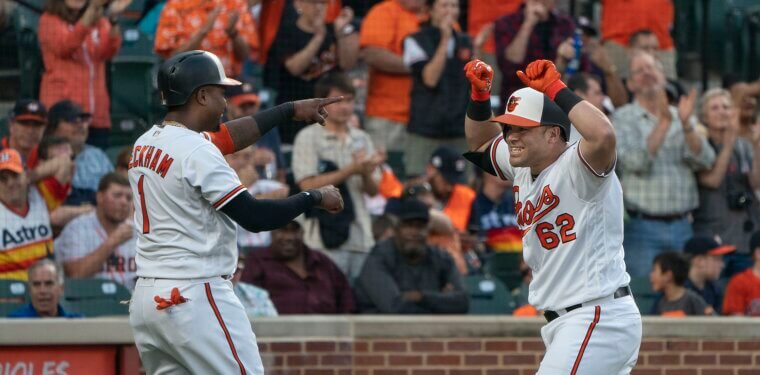
To many fans, his "bust" status is unfairly tied to the Hall of Fame career of the man picked right after him.
The Only Man Drafted First Overall Twice Who Never Found a Home: Danny Goodwin
Danny Goodwin holds a unique and somewhat dubious place in baseball history as the only player ever selected first overall in two separate drafts (1971 and 1975). He reportedly possessed legendary power as a catcher, but a severe shoulder injury early in his professional career allegedly ruined his ability to throw out baserunners. Forced to transition to first base and designated hitter, he reportedly felt the pressure to produce instant offensive results.
He struggled to hit for a high average against major league breaking balls and never secured a permanent starting role, becoming a symbol of how injury can derail even the most coveted talent.